What does permaculture actually mean in the Philippines?
Dr. Jabez Joshua M. Flores and Professor Inocencio E. Buot, Jr. spent three months on twelve Filipino farms, asking seventeen practitioners a question nobody had put to them before. The answers came back in three different shapes, and each one was written into the land.
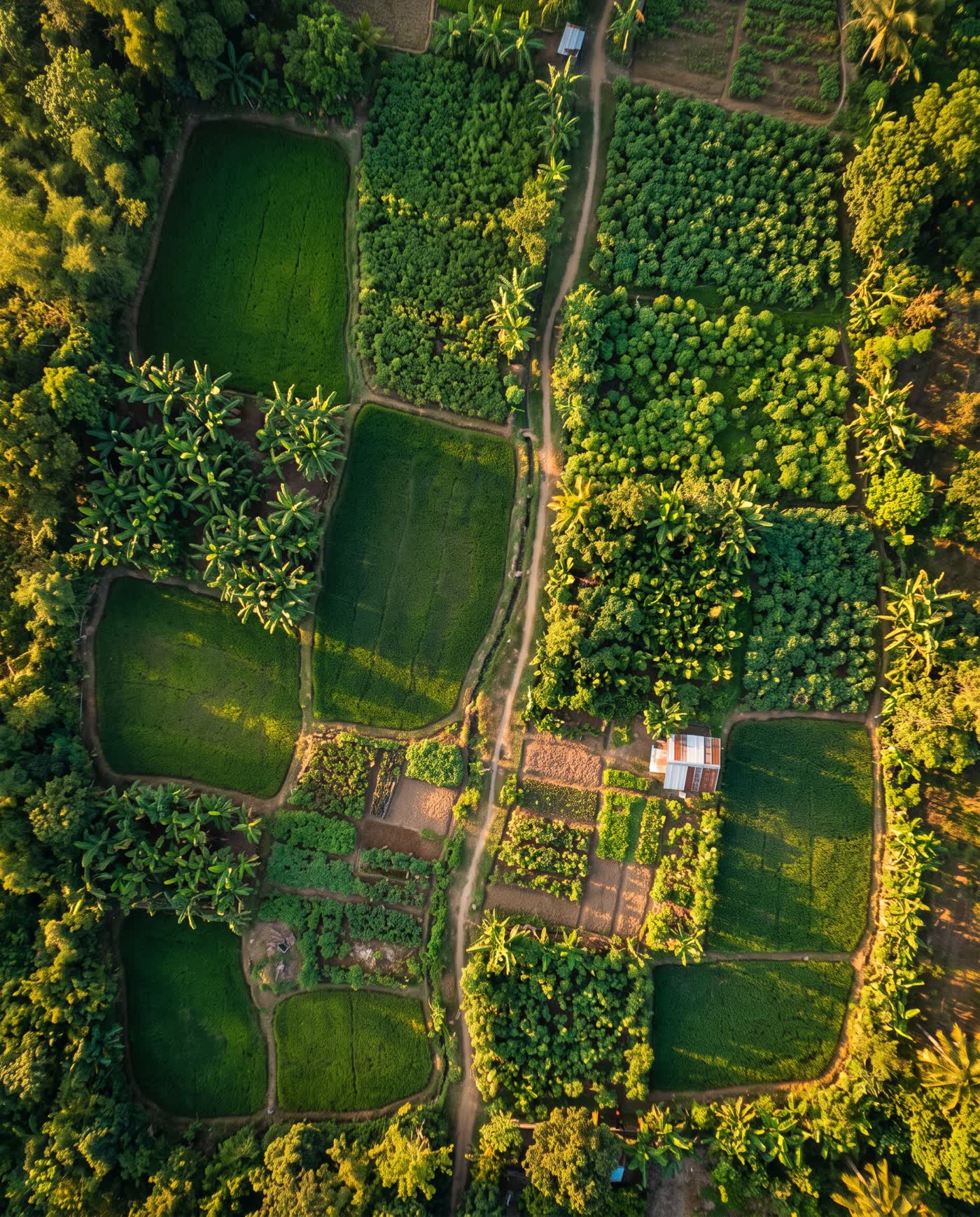
When a farm is treated as a factory, the farm slowly eats itself. Output and profit become the only measures that count, and the soil, the water table, the insects, and everything else living around that field quietly pay the bill. The researchers call this a reductionist view, a way of seeing that shrinks a whole living farm down to a single number. Their paper opens with that view and then asks a gentler question. What happens when Filipino farmers begin somewhere else entirely?
Permaculture is where many of them begin. It is a design framework born in Australia in the 1970s as a grassroots answer to the oil crisis, built around twelve principles such as observe and interact and use small and slow solutions. Its founders, Bill Mollison and David Holmgren, aimed it squarely at people without farming backgrounds. To most of the practitioners in this study, permaculture was their first introduction to sustainability of any kind.
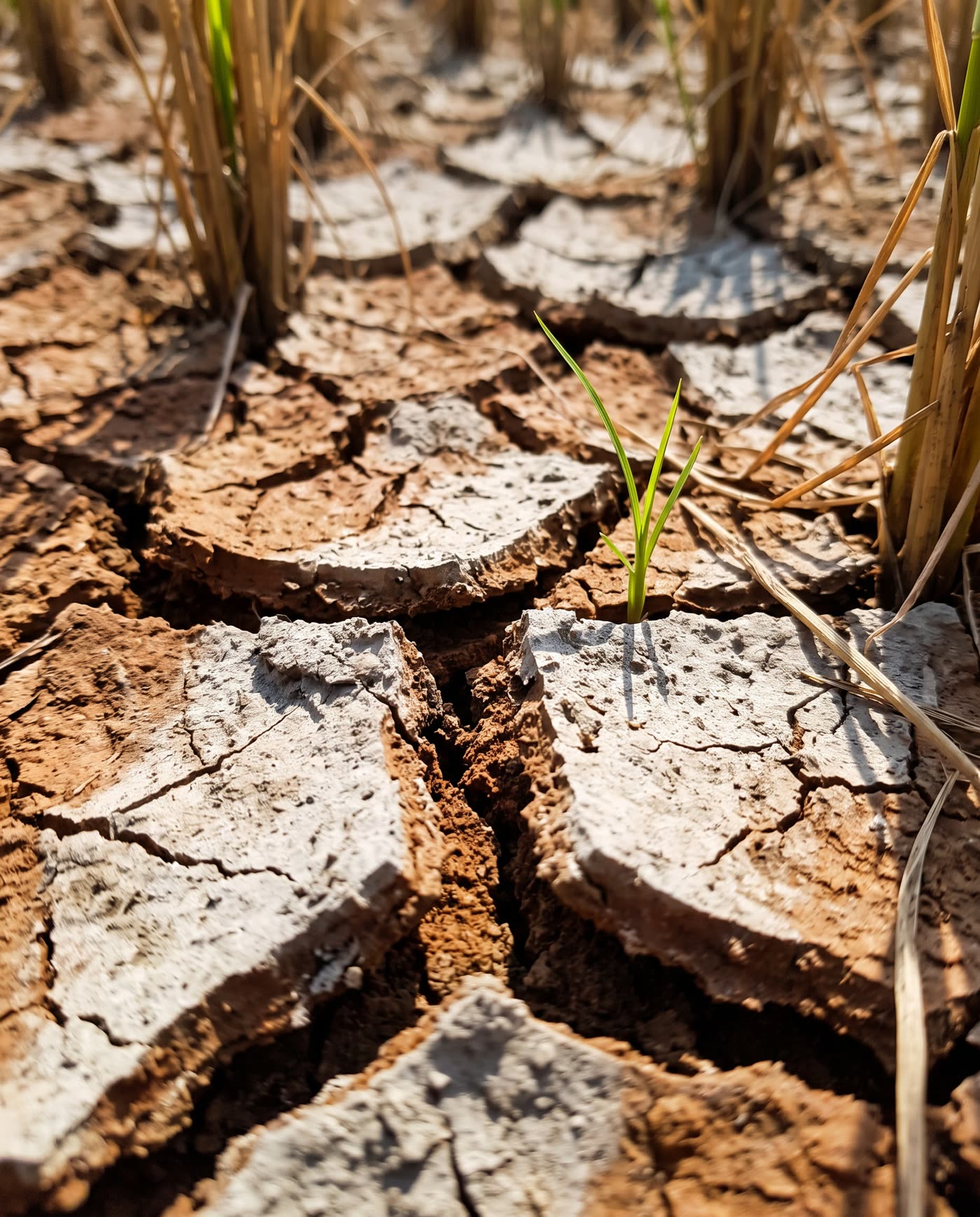
Nobody had asked Filipino practitioners how they define it
Permaculture has been studied on farms in Cuba, Japan, Nepal, Turkey, and Malawi. Very little of that work had looked at the Philippines. So from August to November 2018, Dr. Flores and Professor Buot travelled to twelve permaculture sites. Nine of them were in Luzon. The remaining four were spread across the Visayas and Mindanao. At each one they sat down with the practitioners for key informant interviews, gathered families and farm staff for focus group discussions, and then did something unusual for a journal paper. They picked up their phones and started filming.
The technique is called vlogging, short for video blogging, and here it worked as a form of field journal. The researchers followed each practitioner for three days and documented how their beliefs showed up in what they actually did on the land. The sixteen episodes were produced and edited by the researchers themselves and shared on Facebook and YouTube, so the knowledge went straight back to the community it came from. Anyone who preferred to stay off camera was simply left out of the footage.
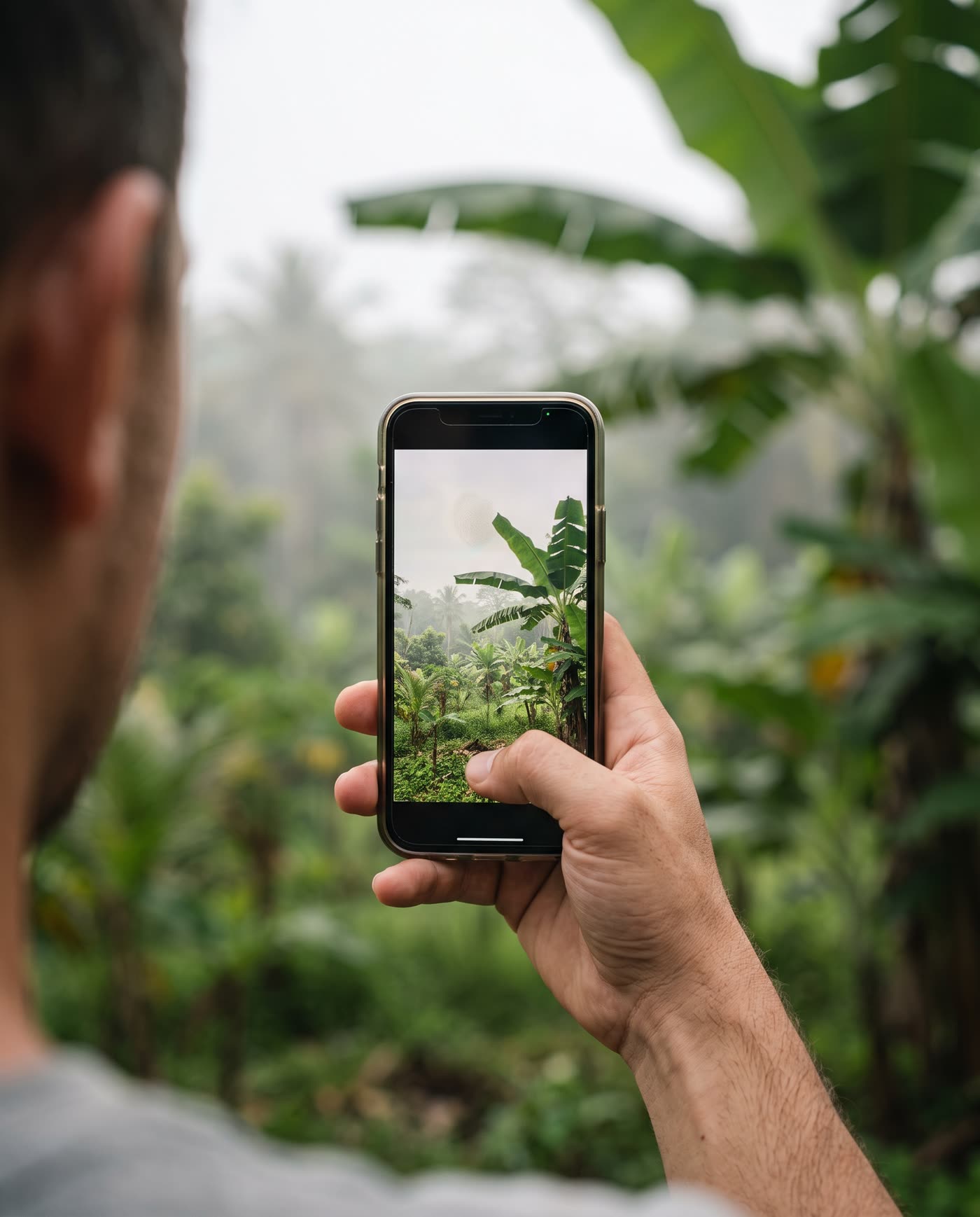
Only three of the seventeen came from agriculture
The rest arrived from somewhere else completely. Information technology. An airline pilot. A nurse. A ski instructor turned Christian missionary. A psychology professor. A landscape architect. Ten were men and seven were women. Thirteen owned the land they worked and four were staff. What united them was a decision to learn. Fifteen of the seventeen had gone through a workshop or a full Permaculture Design Certificate course, the PDC, which is the standard training a practitioner takes before designing a site.
Here is the detail the researchers found most interesting. A person’s profession had no measurable effect on how they defined permaculture. The pilot and the nurse were as likely to talk about nature as the agriculturist was. Whatever shaped their view, it was something other than the job title.
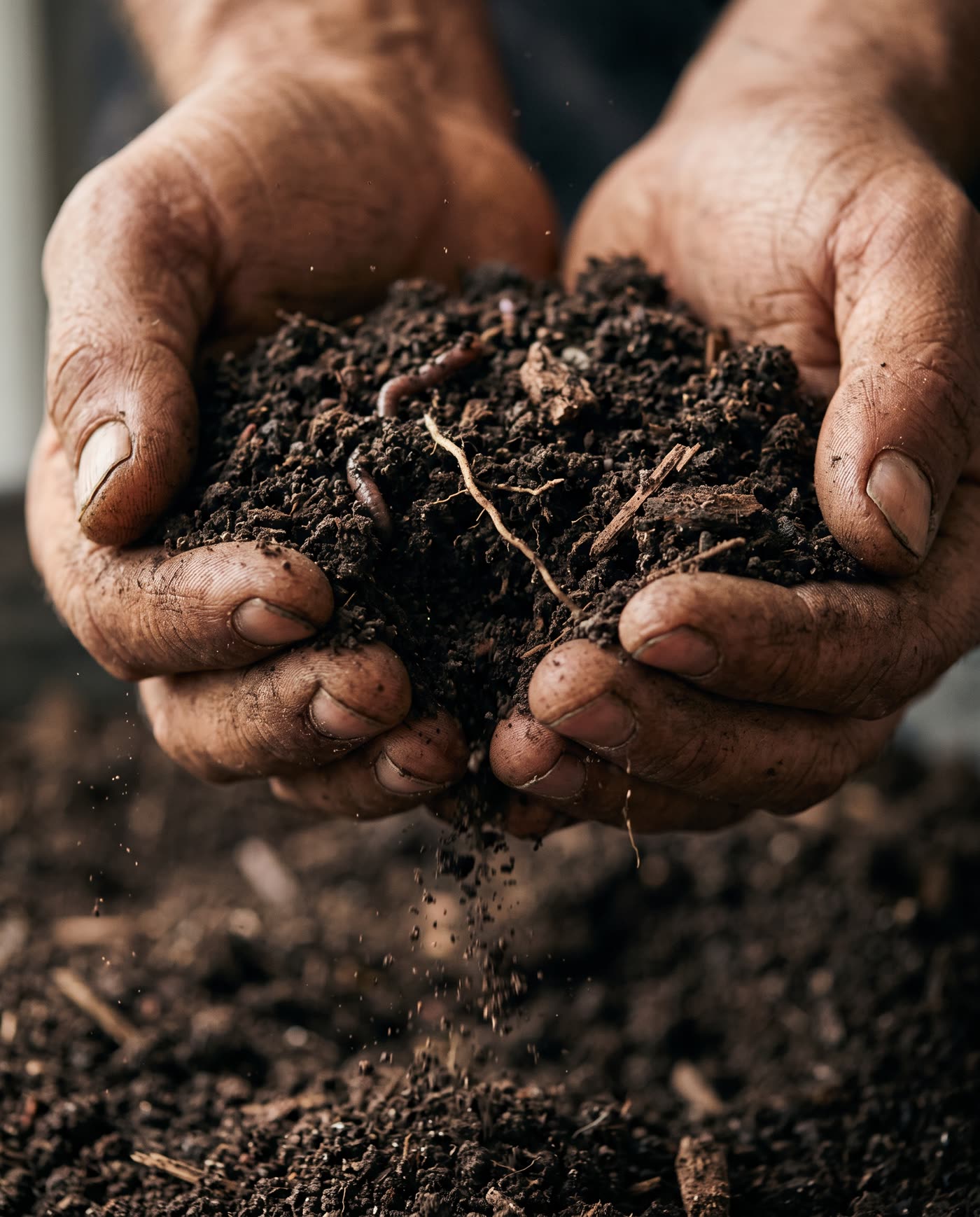
The word that surfaced most was people
Every interview was transcribed and run through word cloud analysis, a simple method that counts how often each word appears and draws the frequent ones larger. For a practice most of us file under farming, the vocabulary kept drifting toward each other. The crops came second.
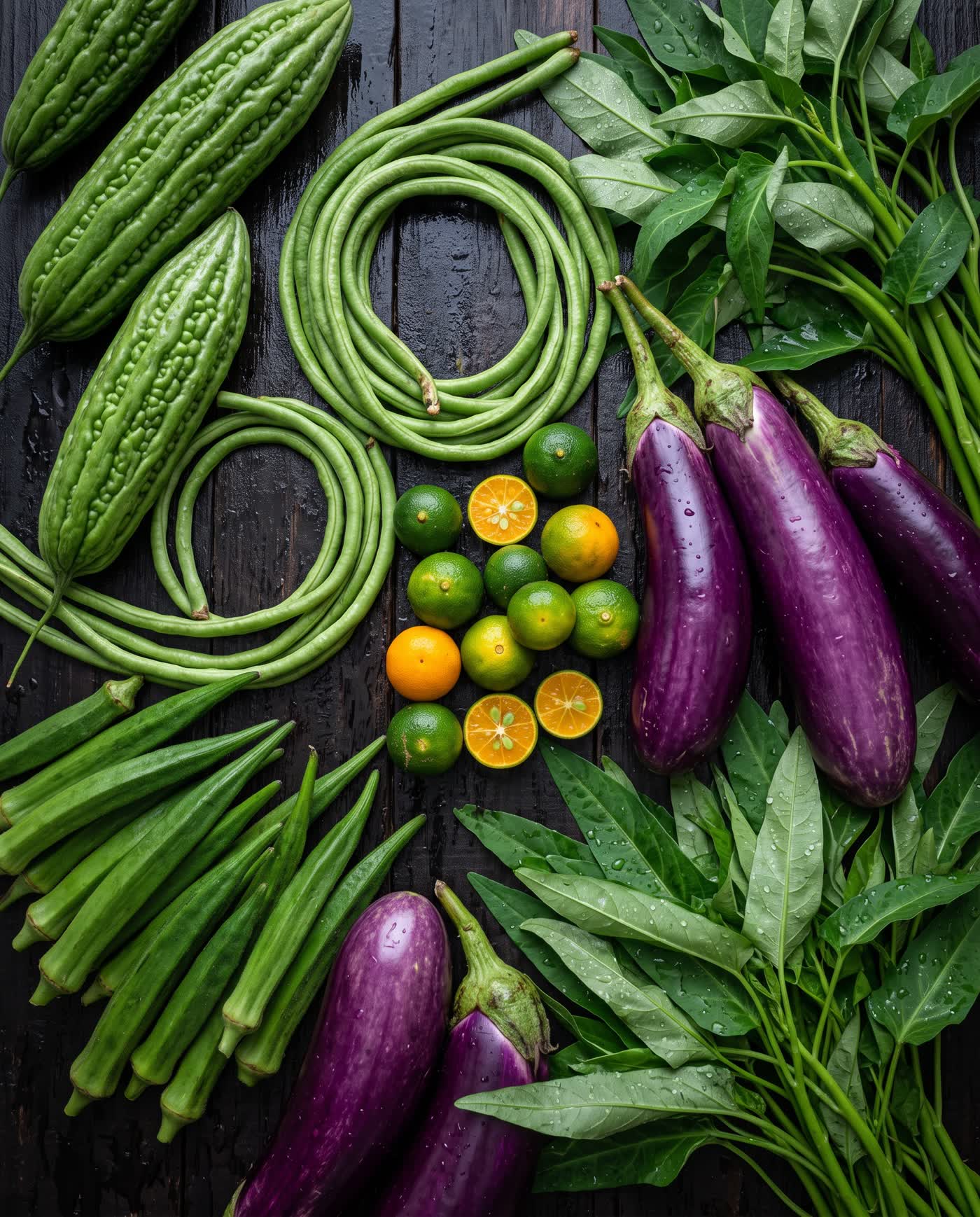
Gulay means vegetables and baboy means pig. Native pigs came up again and again as the animal that fits a Filipino permaculture farm best.
People appeared most often in Metro Manila and Mountain Province, where it carried the sense of stewardship and a culture of respect for nature as a giver of life. Organic came up because for most of the seventeen, their permaculture journey had begun inside the organic agriculture network. The word cloud was a doorway. Behind it sat three quite different ways of seeing.
Nobody defined it the same way
Some explained permaculture through nature. Some called it a way of life. Some described it as food production. When the definitions were laid side by side, the researchers noticed something kind. None of them were wrong. None of them were complete either. Each one quietly revealed what mattered most to the person saying it, which is a different thing from what they knew.
- Ecological
- Shared at seven sites. Nature has worth of its own, and the practitioner is a participant in a larger ecosystem, an observer long before a designer.
- Socio-cultural
- Shared at three sites. Permaculture is a way of living that reaches past the garden into food culture and into how a household runs its day.
- Agricultural
- Shared at two sites. Permaculture is a way to grow food sustainably, and the farm is measured by what it feeds.
Seven farms saw themselves inside the ecosystem
Let nature do the job for you.
A practitioner in Isabela, asked to define permaculture
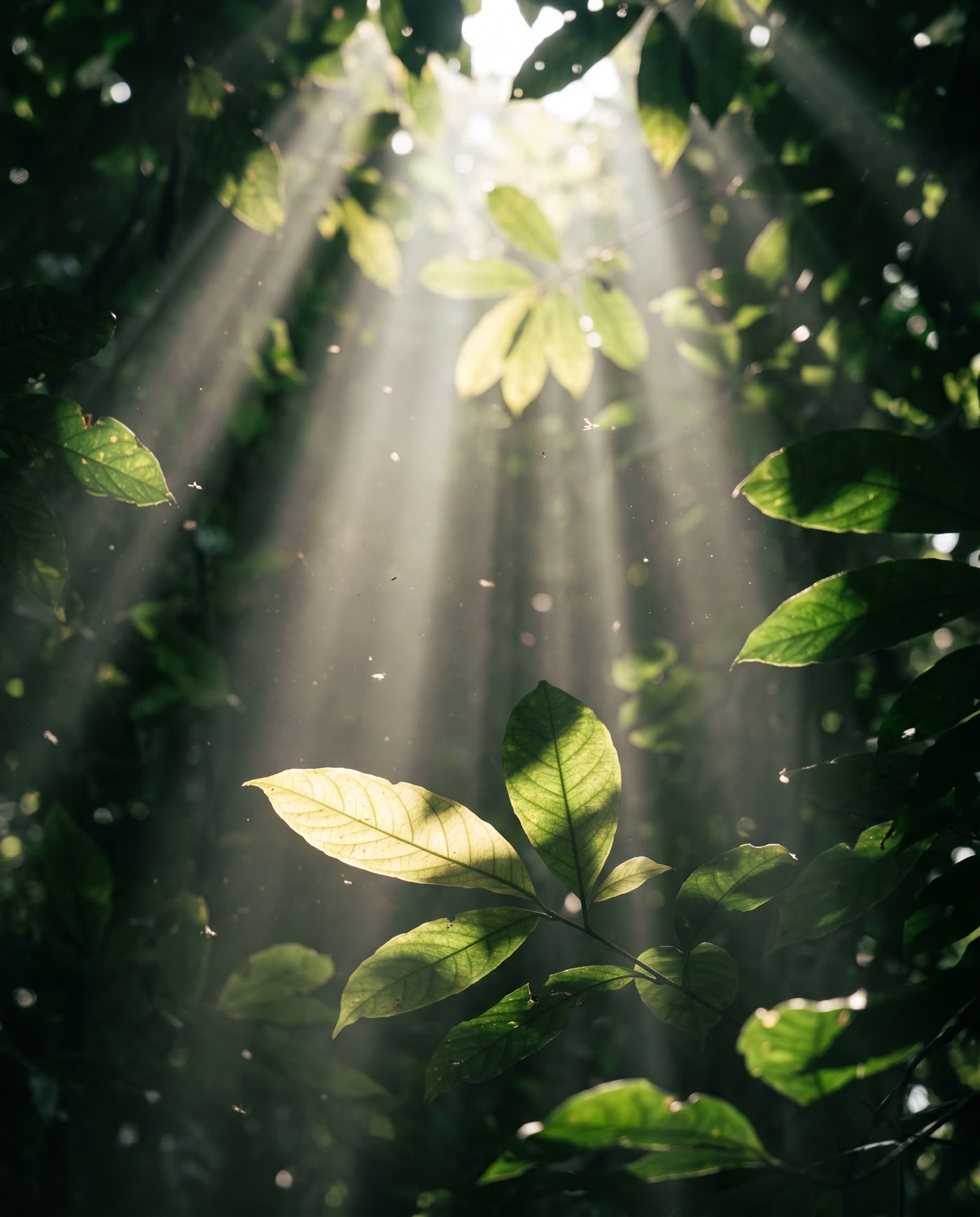
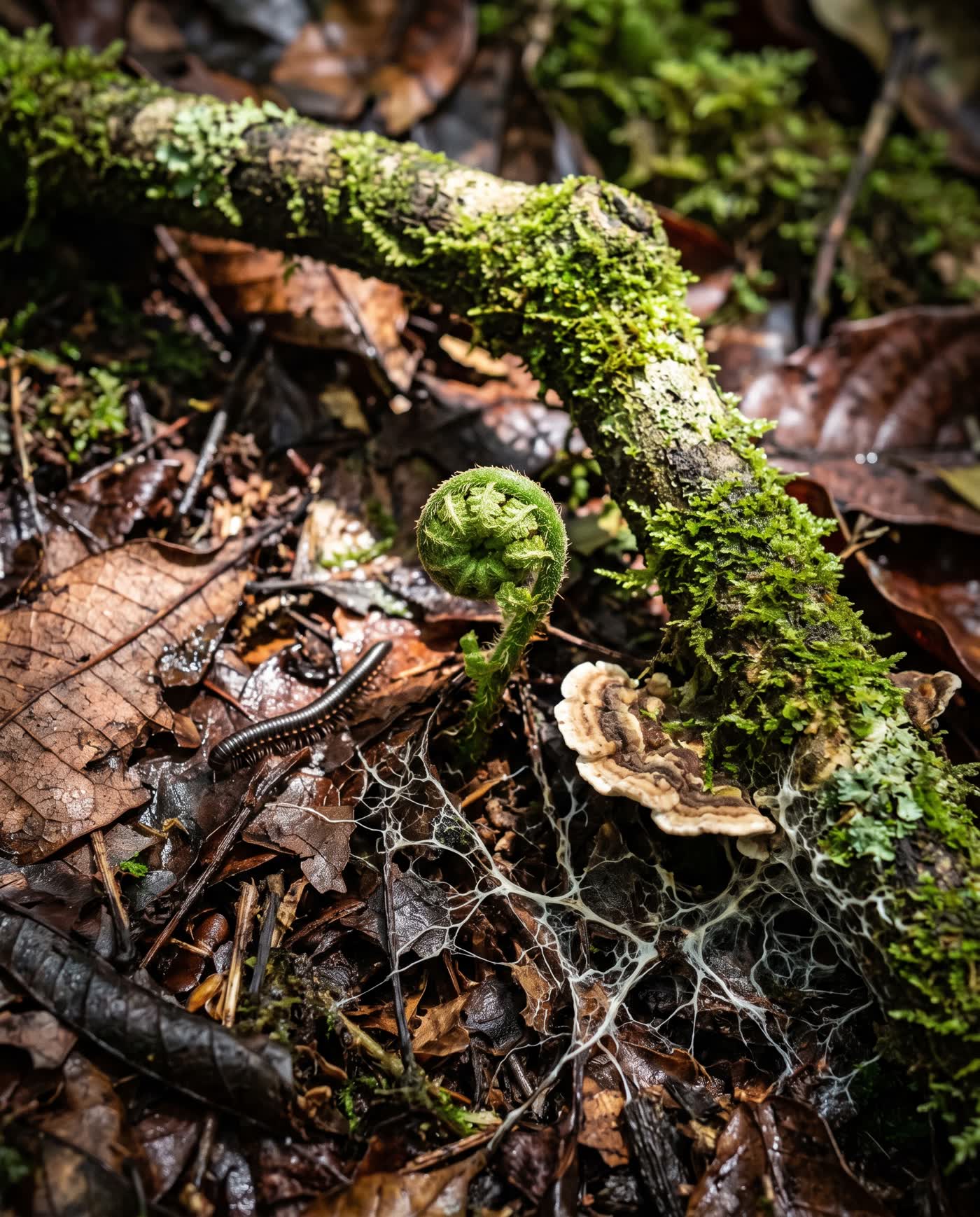
This was the most common view by far. These practitioners treat nature as having worth of its own and take the role of observer long before they take the role of designer. The researchers describe the view as ecocentric, a word that simply means the ecosystem sits at the centre and the human takes a seat beside it. A practitioner from Quezon put it as follow the movement of water, describing how rainwater running over the ground had shaped the contours of their whole farm. Another from Metro Manila said permaculture is about energy and patterns.
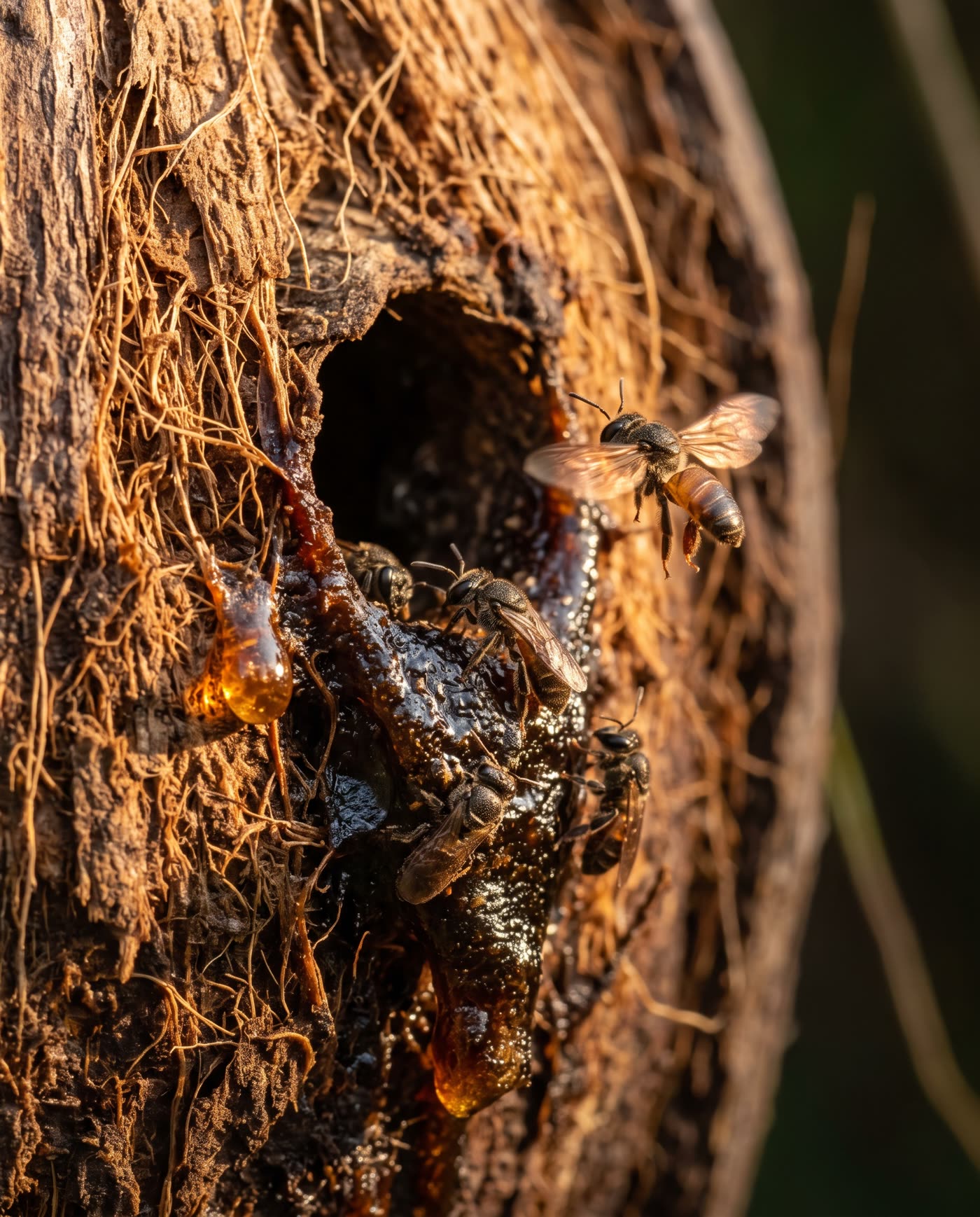
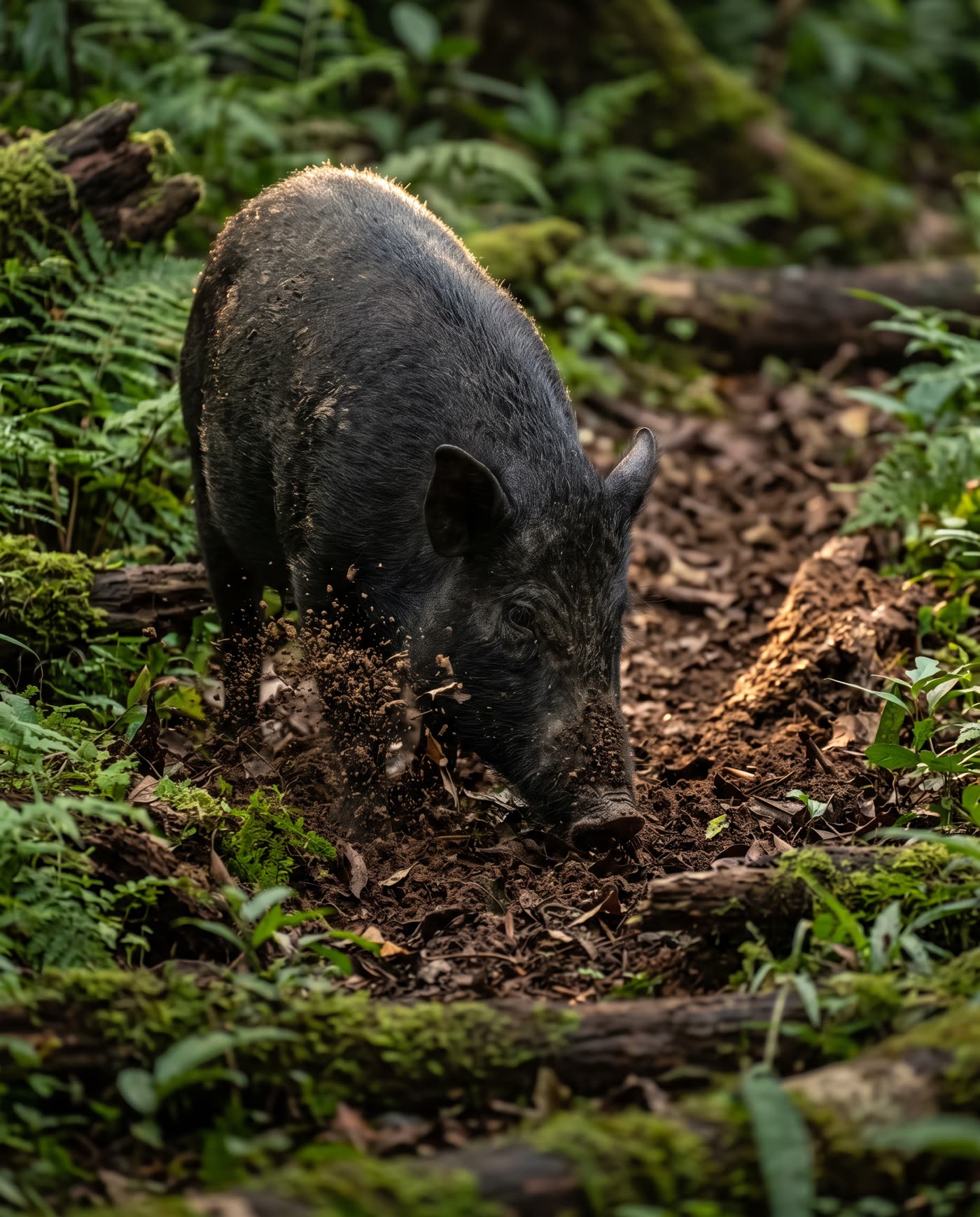
In Quezon the philosophy became livestock. The family had watched their native pigs eat through every bit of vegetation in the forest when they were left to roam. So they let them. The pigs now clear patches of land and fertilise the soil with their manure as they go, because that is simply what pigs do. On the same farm the practitioners noticed stingless bees building hives inside discarded coconut husks, and started making beehives out of the husks that were already lying everywhere.
Organic farming came up constantly in this group. To them it was the system that fit their context because it relied on natural inputs and biological ways of handling pests. The researchers are honest about the trade. A farm run this way may not match a conventional farm on yield in any single season. Over the long term it pays back in biodiversity and soil health, which is the timescale these practitioners were already thinking on.
Three farms treat it as a way of living
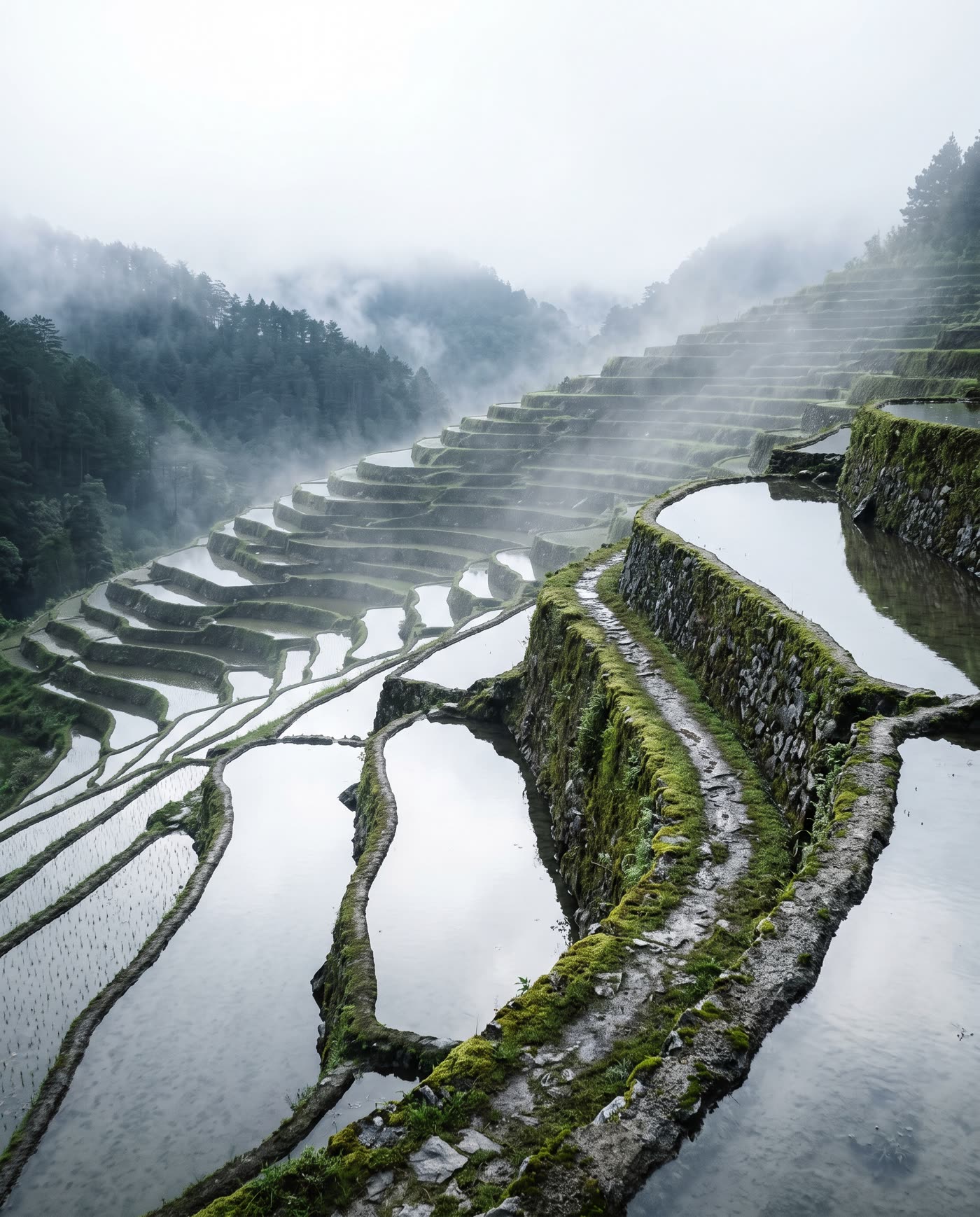
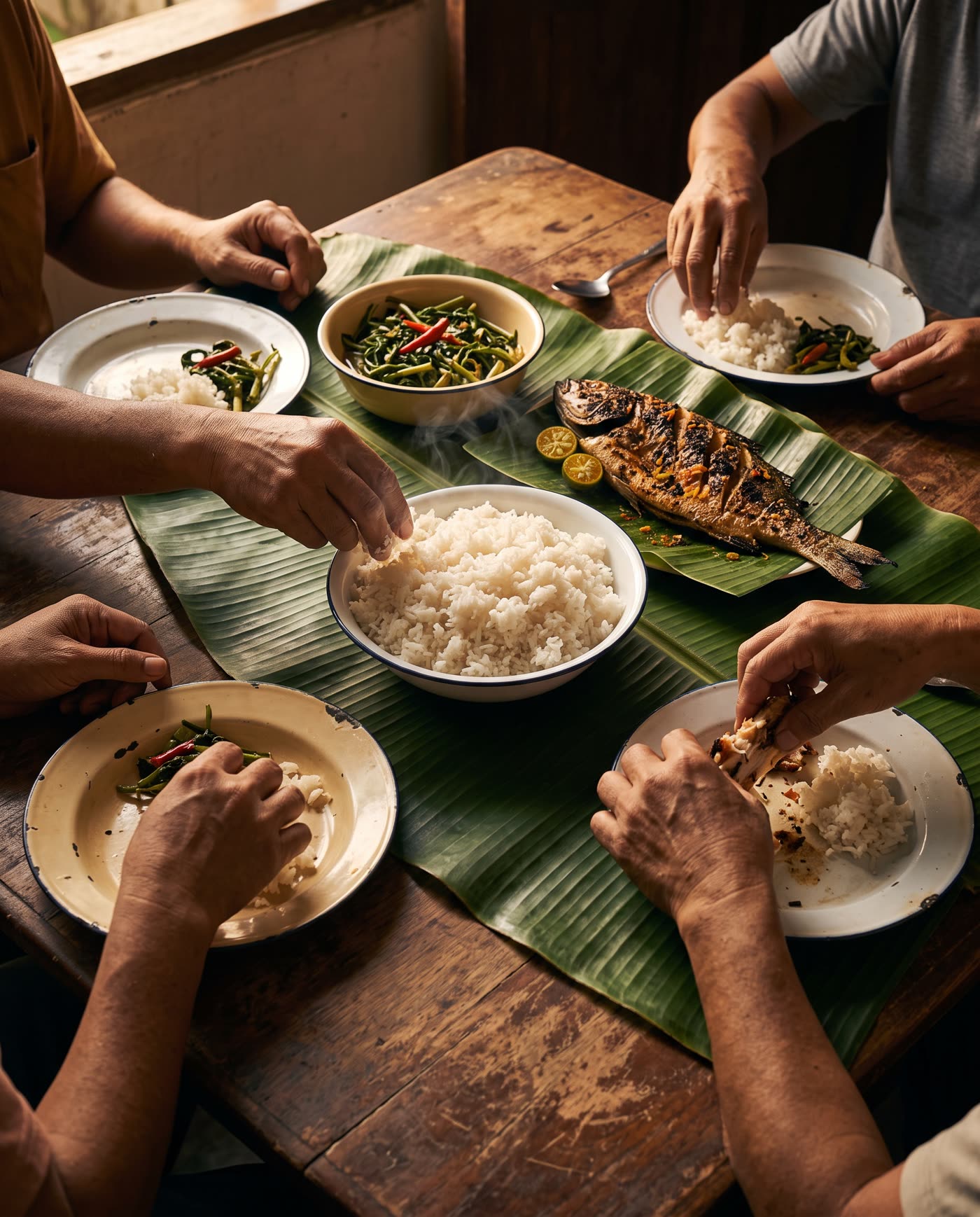
These practitioners grow food without ever calling themselves farmers. That is the detail that sets the group apart. The design principles reach past the garden into how a business is run and how a household eats. The researchers note that this is the most common version of permaculture worldwide, found in studies from Australia and Belgium to Brazil and Japan, and that on the surface it can look like a middle-class pursuit. Look closer and it is where the human side of the practice lives.
In Mountain Province an Igorot family realised that the framework they were being taught matched practices their ancestors had used for generations. They still gather sapsapon, a wild green their elders cooked, which grows on its own and asks nothing of anyone. Permaculture, they said, is a way of life. Our way of life. In Cebu the practitioners quoted Bill Mollison’s line that the problem is the solution, and used it to describe how they handle the daily challenges of a family business.
Two farms measure it in what it feeds
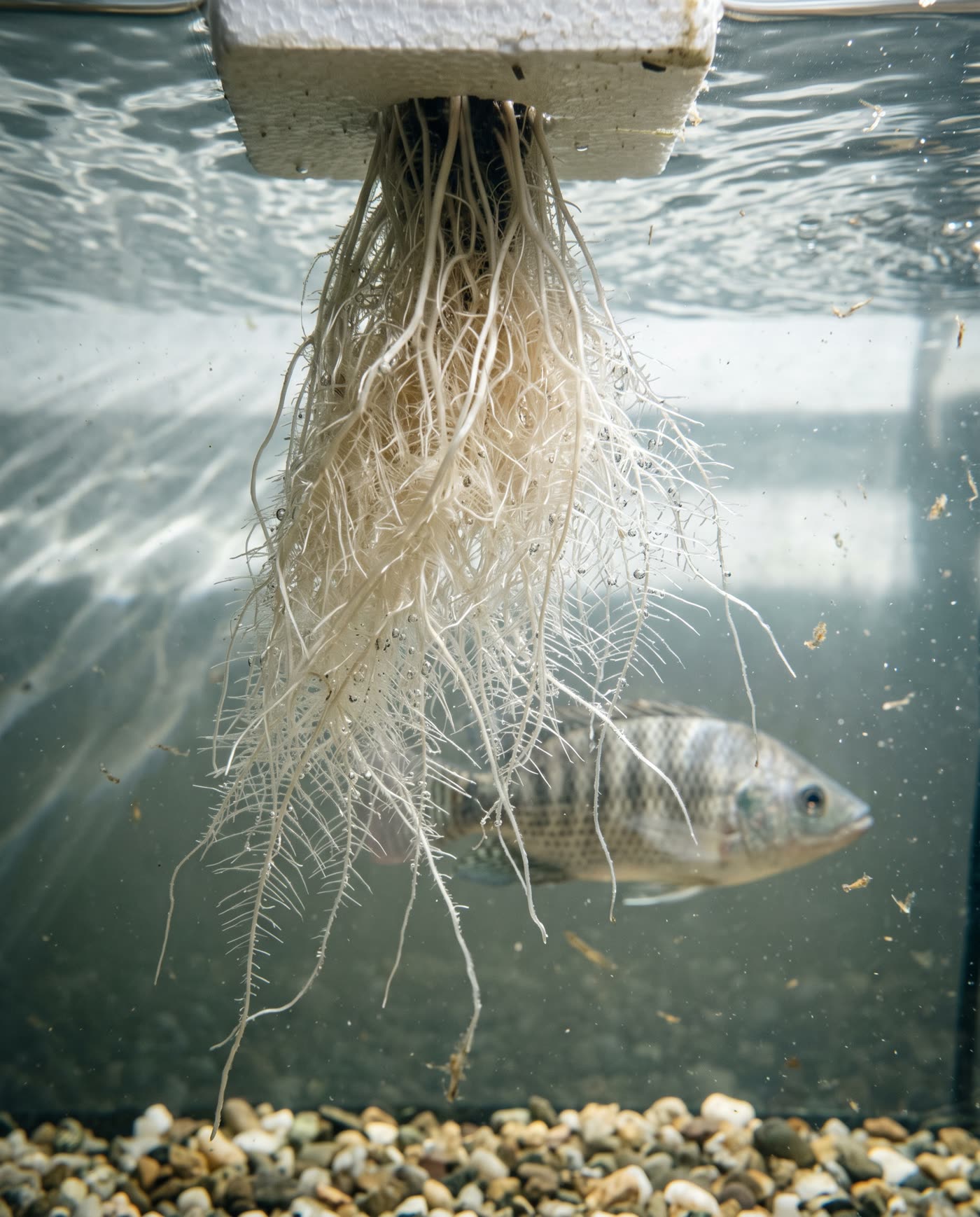
The least common perspective, and the one the researchers suggest may be the most balanced of the three. Production sits at the centre here, reached through organic methods and through aquaponics, a system that raises fish and vegetables in one loop so that the fish feed the plants and the plants clean the water.
In Laguna a practitioner built his income on organic lechon from native pigs. He found a real market in that niche, and his farm went on to become a Department of Agriculture field school for sustainable pig farming. In Palawan another ran an aquaponics system that fed his family, his staff, the children in their orphanage, and walk-in customers. Both farms also earned from training workshops and agritourism, which points to a quiet truth in the paper. Most permaculture farms in the study earned more from teaching than from what they harvested. Whether that is a good thing, the researchers write, is still up for debate.
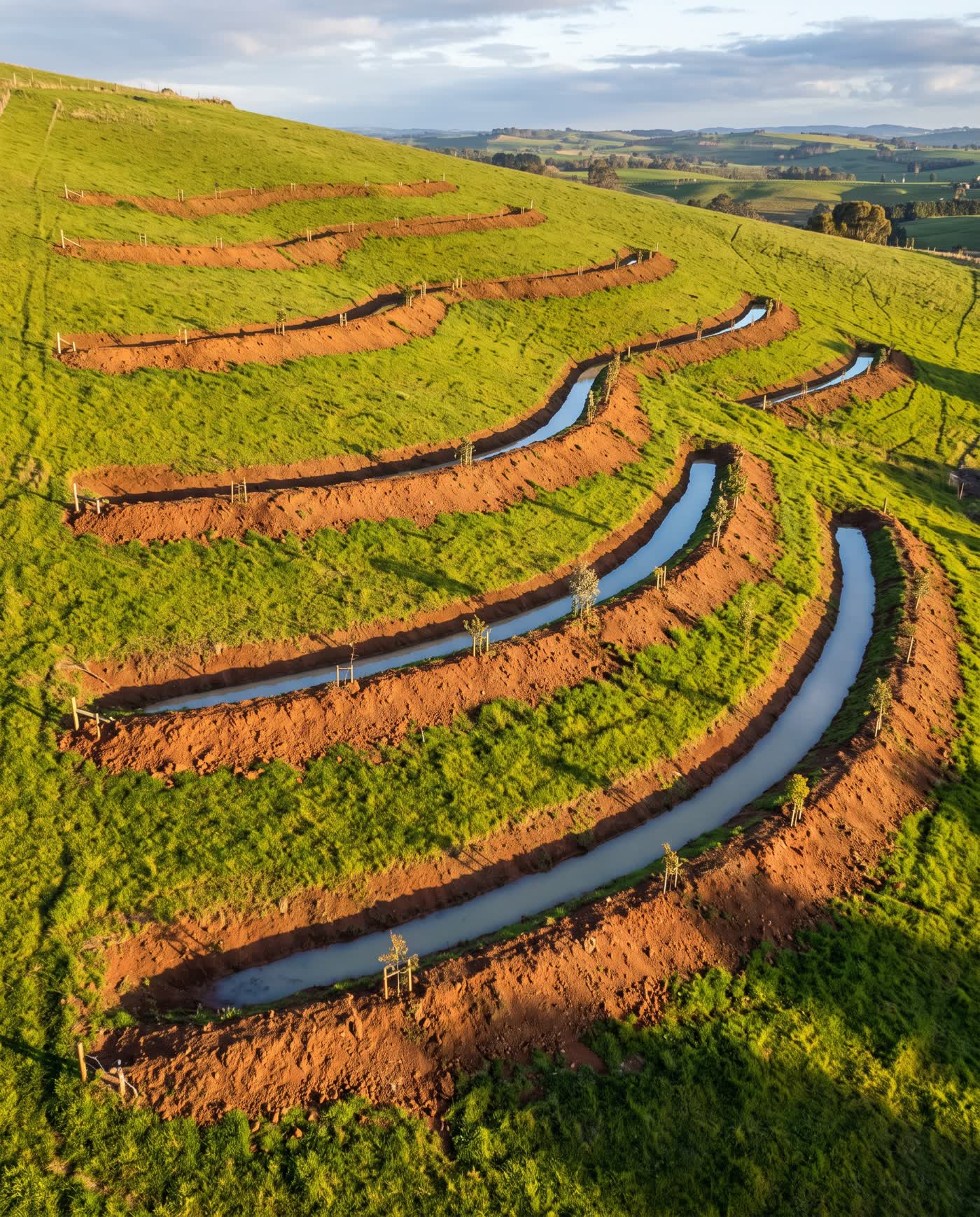
Different views, the same destination
No perspective was found to be more correct than another, and that turns out to be the whole point. The differences let each practitioner own their design completely while still handing it to someone else to interpret their own way. A finding from one farm, whether it came from experience or from experiment, can be shared on social media or at a conference and land differently on the next farm. That freedom is what keeps the practice spreading.
The paper closes with an invitation. A larger study across more sites would surface more variations, and sharing them openly would help ordinary households find their own style within what permaculture calls a permanent culture. That is close to the reason Mycelium exists. If you have been wondering which of the three ways of seeing is yours, the study suggests the land you tend has probably already answered.

Flores, J. J. M., & Buot, I. E., Jr. (2023). Working with nature: Practitioners’ perspectives on permaculture design in agricultural landscapes in the Philippines. Journal of Nature Studies, 22(1), 1–21. https://journalofnaturestudies.org/issue-details.php?artid=41
APA 7th edition
What does this look like where you live?
Bring what you noticed in this study to the community. Answer a few statements, find who thinks like you, and decide together.
Join the conversation