Learning
by living.
A change in perspective starts with paying attention to the life around us.
Browse Resources
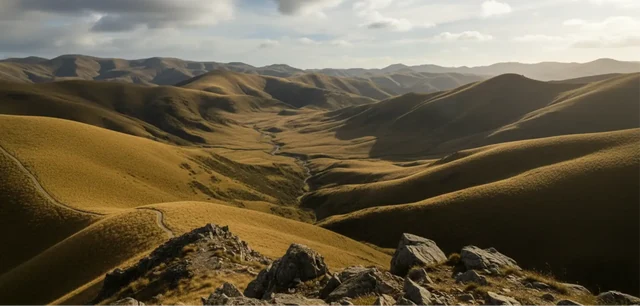
Have you ever wondered why nature wastes nothing, and wondered why we can't do the same?
In natural systems, there is no such thing as waste. All organic matter moves through closed-loop cycles where what one process discards becomes essential for another. The result is a self-sufficient balance that sustains everything around it.
Human systems often operate differently. We extract, consume, and discard linearly. So how do we construct systems that don't inevitably create the very problems they set out to solve?
I found the answer at Perma-Kapihan, an event held by the Philippine Permaculture Association, where I first heard of permaculture.
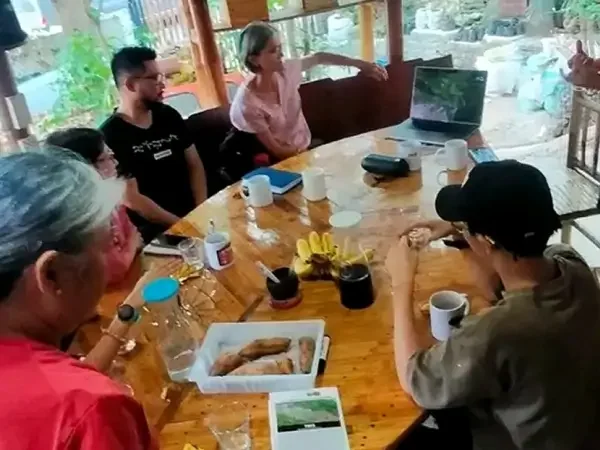
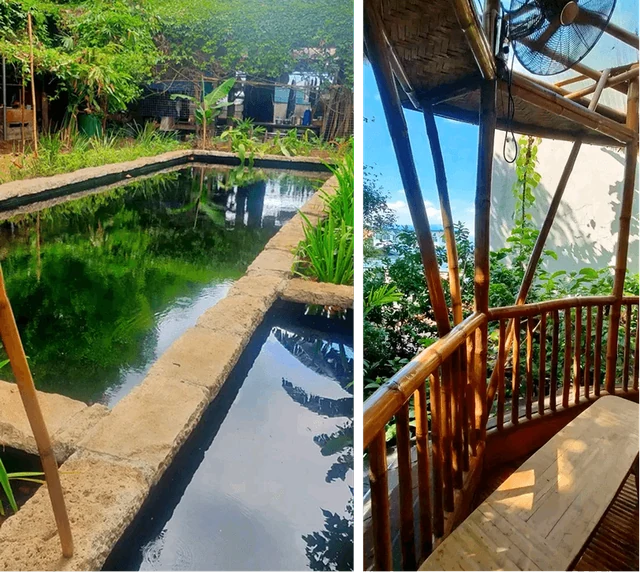
Stepping foot into Bert's home felt like entering an entirely new universe. Seeing food, water, and nature orchestrated in a manner that worked harmoniously fundamentally redefined how I thought environments could be designed. The reciprocity I observed inspired me to understand not just the "what" of these systems, but also the "why" and "how".
Exploring these ideas further, I discovered that the patterns I observed in Bert's home were echoed in the research I came across, with permaculture systems continuously sustaining notably higher biodiversity than conventional land use, improving environmental health like air quality, and redirecting waste streams away from disposal and towards repurposing.
Falling into this rabbit hole of holism and seeing their real-world impact compelled me to attend a formal Permaculture Design Course in Nueva Ecija, hosted by Bert. This seven-day immersive course gave me the opportunity to understand all the mechanics that I had initially observed at Bert's house.
As I went deeper into permaculture, I realized how overwhelming it can be to enter the field. The knowledge is vast, scattered across books, courses, research papers, and personal interpretations. For someone just starting out, it's difficult to know where to begin and how to translate abstract principles into something tangible.
It was also there that a specific moment had a profound impact on me: a banana tree mulching area that was filled with layers upon layers of decomposing leaves and plant matter. Banana plants contended with each other and those that fell didn't vanish uselessly. They cycled back into the soil, enriching it and catalyzing the emergence of new plants. This organic nutrient-rich mulch that would typically contribute to municipal landfills instead became the foundation of soil regeneration.
All of this ultimately inspired Mycelium. The platform represents my attempt to translate the principles and lessons I've experienced into something concrete, organized, accessible resource where curious minds can explore, learn, and apply holistic systems thinking. Creating Mycelium matters to me because it allows me to share the insights I've gained, while making Permaculture less overwhelming for others starting out, just as I once was.
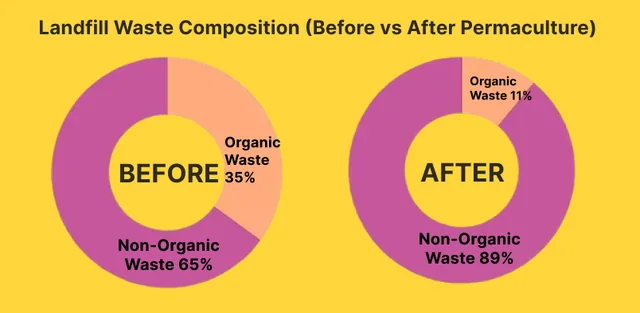
Permaculture composting can divert up to 77% of organic waste from landfills, reducing the organic waste proportion in landfill from about 35% to just 11%. This significant reduction helps decrease landfill volume and greenhouse gas emissions, promoting a more sustainable waste management system.
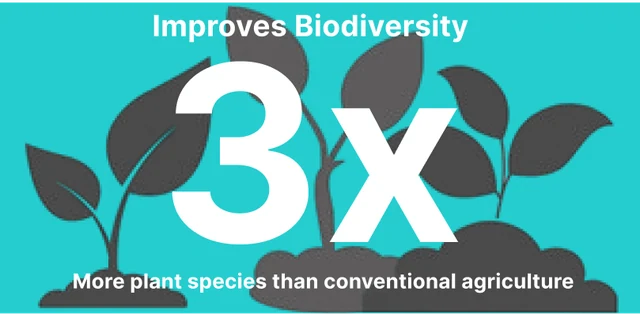
Permaculture areas show three times more plant species than conventional agriculture (Farming insider). Urban permaculture contributes to habitat restoration, supports pollinators, and increases soil microorganisms essential for nutrient cycling and decomposition.

What brought you to permaculture? Share your experience and hear another perspective.
Explore the ForumA change in perspective starts with paying attention to the life around us.
Browse Resources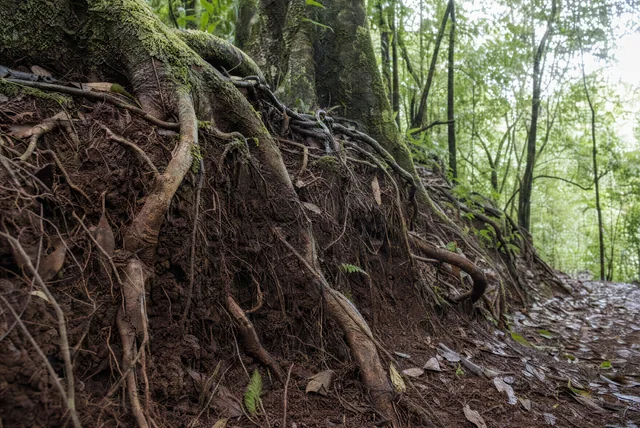 Life above and below.
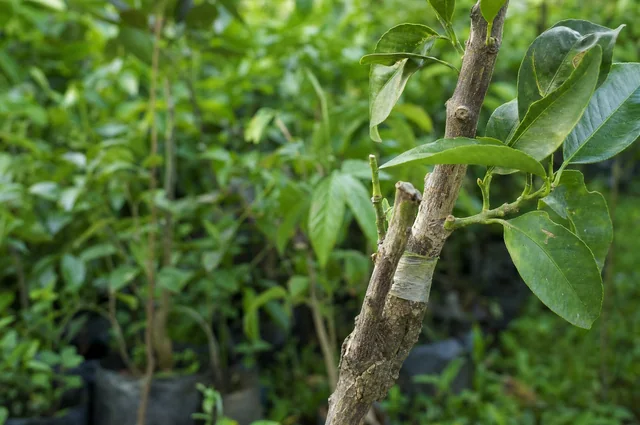
From conversations to fieldwork, knowledge grows as it moves between people.
Explore the Forum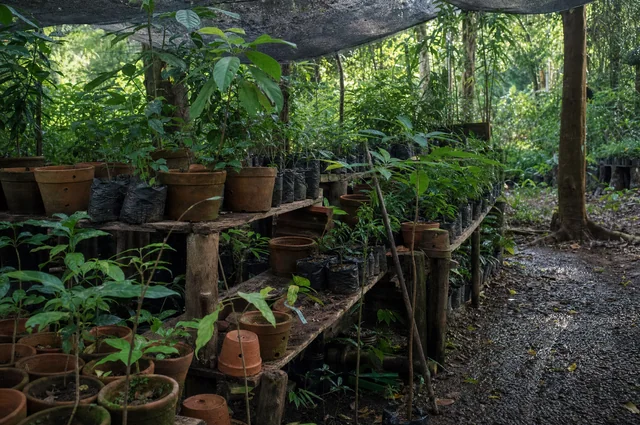 Learning, in real life.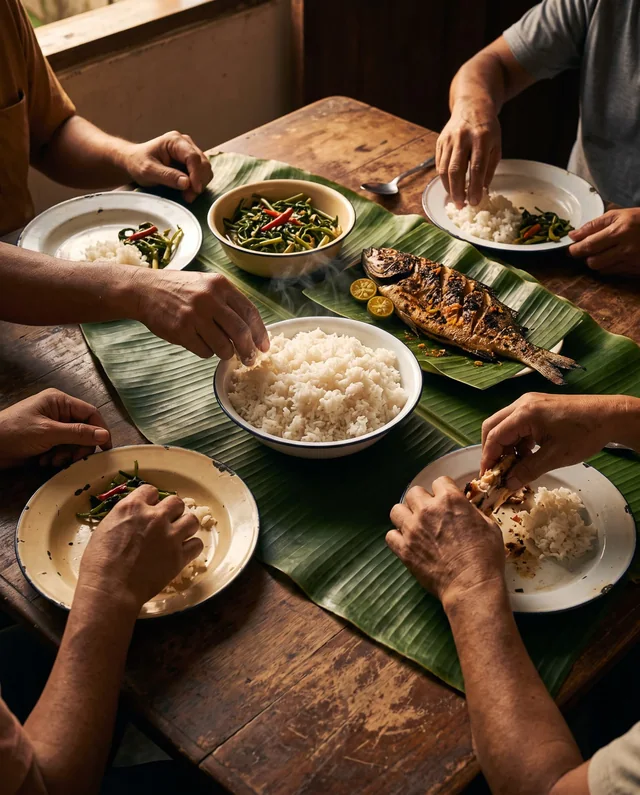
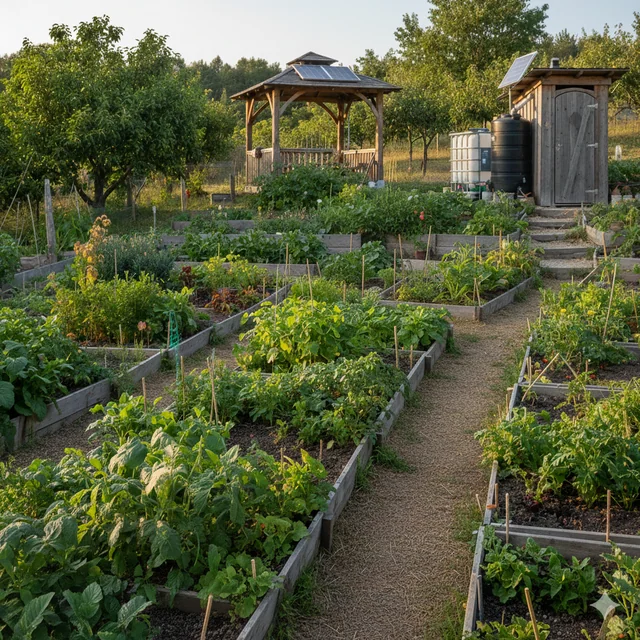
With Right Start Community Development Center.
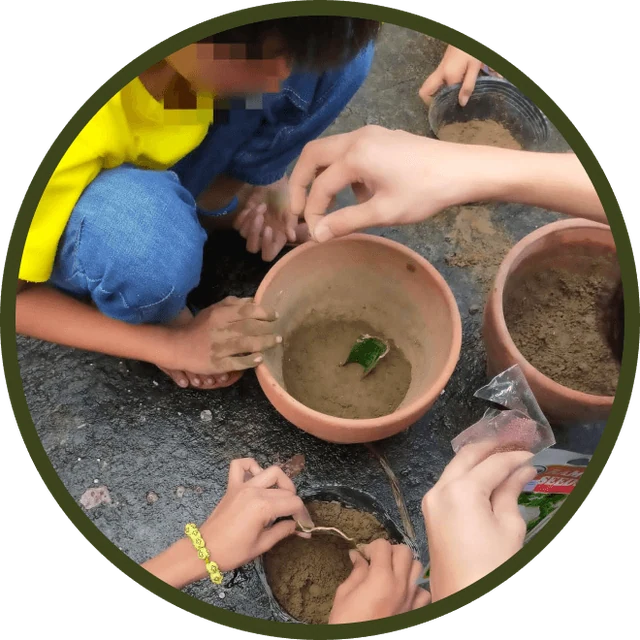
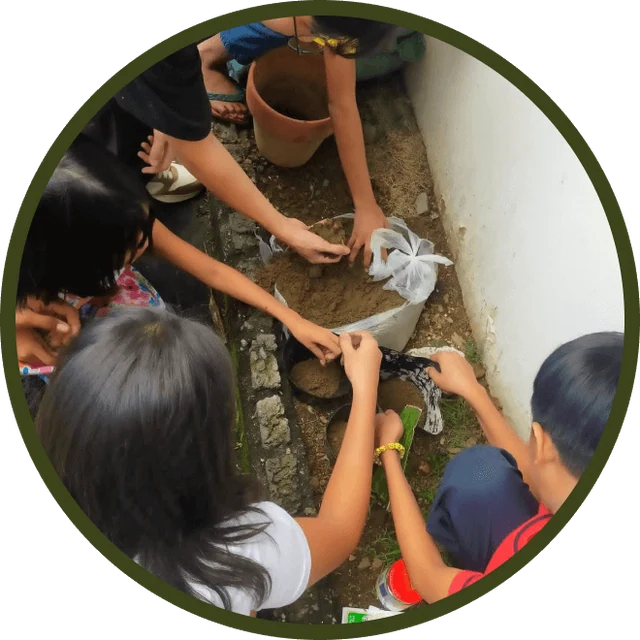
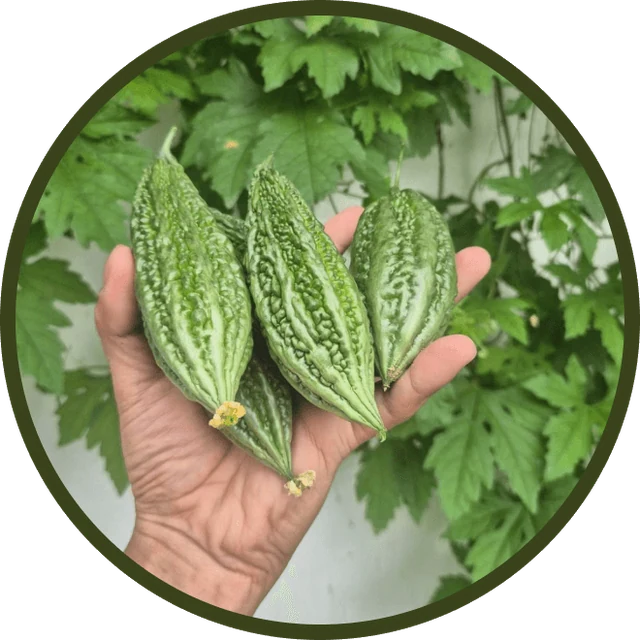
Right Start Community Development Center supports children and families in Quezon City, Metro Manila, through education, creativity, and daily engagement.
Through Right Start, Mycelium observes what happens when permaculture knowledge enters a community as a way of thinking rather than a set of instructions. Instead of tracking just participation I also look at shifts in perspective: how people begin to see waste, food, land, and responsibility as parts of a connected system.
I've observed that the earliest signs of impact often aren't physical. They appear in questions asked, in habits slowly adjusted, and in how individuals begin to explain these ideas to others. Over time, this knowledge compounds, passing between others and adapting to unique situations.
Right Start provides a living environment to observe this process. The community is not a test site, but an environment where learning and adaptation happen continuously. Measuring impact here means paying attention to growth that isn't always immediate or visible, but rooted deeply enough to last.
I bring scattered permaculture knowledge into one place, with partners like the Baganihan Collective and the Philippine Permaculture Association.
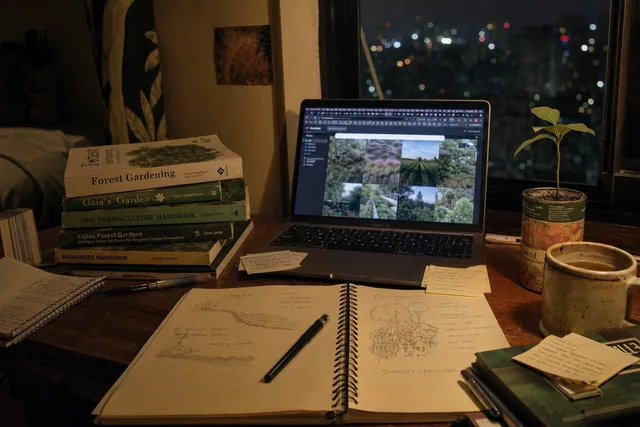
Videos, courses and reading, from beginner introductions to deeper discussions.
Browse ResourcesCommon Ground, the forum: answer statements, compare views, post.
Explore the ForumWe include material for different levels of experience. An introductory resource should explain its terms and help you understand where to begin. More technical material should make its starting assumptions clear, so you can judge whether you’re ready for it.
We look for a connection to real practice. An account of what happened in a particular place can help you understand an idea’s limits. It isn’t a promise that the same approach will work in your setting.
Content connected to our partner network holds accountability. When it’s outside that network, we cross-check it against what our partners have taught in the field. Naming the source lets you follow the work beyond our summary.
Every resource and every claim is backed by people who have spent decades growing food, building communities, and practicing permaculture on the ground.
A network of permaculture practitioners, led by Hubert Posadas, working across six pilot communities in the Philippines. Their fieldwork, experiments, and local knowledge are documented and shared through Mycelium.
The national network advancing permaculture in the Philippines through education and community projects. PPA is led by Bert Peeters.